



As we age, tasks that were once simple can become challenging. Decluttering is a prime example, often complicated by physical limitations, reduced energy, or the sentimental value attached to belongings. While helping elderly parents or relatives clean and organize can feel daunting, approaching it with a focus on safety and accessibility makes all the difference.
Are you looking to help an elderly loved one declutter and set up a home that supports independent living? Here are our tips, incorporating smart, senior-friendly storage solutions.
Helping Elderly Relatives Clean & Declutter
Start by Identifying Anything That Could Be a Hazard
The first and most critical step is eliminating fall risks. Clutter doesn't just look messy; it can be genuinely dangerous.
- Remove or Secure Tripping Hazards: Look for small, low-lying furniture, loose cards, and throw rugs. If a small table or footstool hasn't been used in a year, it's time to let it go.
- Create Clear Pathways: Ensure main routes through the house are wide and clear. This is especially important if a walker, cane, or wheelchair is used.
From There, Sort Out By Need
The "keep, donate, discard" method is still key, but a gentler approach is best when dealing with sentimental items.
- Filter for Immediate Use: Work together to identify anything that hasn't been used in over a year — old clothes, unused tools, or books. Focus on the benefits of decluttering: a safer, more peaceful home.
- The "Memory Box" Alternative: For treasured, sentimental items that don't need to be on display, suggest a dedicated Memory Box or Storage Tote on an accessible shelf. This preserves the memory without adding daily clutter. Tip: Look for clear storage bins so contents are visible at a glace, reducing the need to pull down and check every box.

Prioritize What They Still Use
A well-organized home makes daily life easier and safer. Focus on keeping the most frequently used items within the "safe reach zone" — between should and waist height.
- Keep Essentials Close: Identify everyday items like the TV remote, reading glasses, medications, and small kitchen appliances. These should have a designated, easy-to-reach spot.
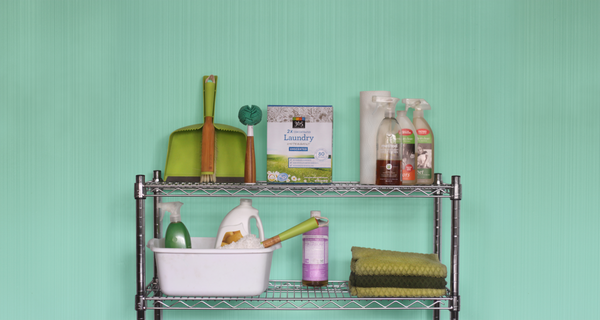
- Incorporate Rolling Storage: For items that need to move, such as a laundry basket or crafting supplies, consider a sturdy Rolling Cart or Freestanding Wire Shelving Unit with Casters. These can be easily moved without heavy lifting and offer stable, adjustable storage right where it's needed.
Organize in a Way That Works for Them
When reorganizing, the goal is to make the home more functional and less physically taxing. Adjustability and accessibility are paramount, and The Shelving Store's products are designed with this versatility in mind.
Utilize Adjustable Wire Shelving
Instead of fixed, deep wooden cabinets, which require bending or reaching, consider adjustable wire shelving units.

- Custom Height: The shelves can be quickly adjusted to the perfect height, ensuring daily-use items are always between a comfortable 3 to 5 feet off the ground. This minimizes bending and reaching for the person's most-used possessions.
- Fully Visibility: Wire shelving provides excellent visibility, reducing frustration when searching for an item. The open design also discourages the stacking of items, which can be a safety risk.
Make Cabinets and Closets Accessible with Pull-Outs
The deep, dark corners of standard cabinets and closets are often the most frustrating.
- Roll-Out Storage: Install pull-out drawers or sliding shelves in pantries and lower kitchen cabinets. These mechanisms allow a senior to bring the contents of the cabinet out to them, eliminating the need to strain their back or knees to reach items in the back.

Maximize Space with Accessible Wall Storage
Wall space can be used to keep floor areas clear and important items visible.
- Wall-Mounted Shelves: Use sturdy, wall-mounted shelving in the bathroom or entryway for quick-access items like toiletries, keys, or medications. Just ensure they are installed at a manageable height to avoid overhead stretching.
- Over-the-Door Solutions: An over-the-door organizer can be an excellent, simple storage hack for shoes, scarves, or cleaning supplies, utilizing vertical space and keeping the floor clear.

Above all else, remember that this is their home. Always listen to them and prioritize their comfort and preferences. A collaborative effort not only makes the process smoother but also ensures the newly organized space truly supports their independent lifestyle.